How I Fixed My Sleep Without Pills — Just Simple Moves That Actually Work
Struggling with sleep? You're not alone. I spent years tossing and turning, dependent on quick fixes that never lasted. Then I discovered something surprising: gentle, intentional movement during the day reshapes how you rest at night. It’s not about intense workouts — it’s about timing, type, and consistency. This is the real talk guide I wish I had, sharing how exercise quietly became my most powerful sleep ally.
The Sleep Struggle Is Real (And So Was Mine)
Sleep problems affect millions of adults worldwide, especially women between the ages of 30 and 55. This life stage often brings increased responsibilities — managing households, raising children, caring for aging parents, and balancing professional commitments. With so much on their plates, rest becomes an afterthought. Many women report lying awake for hours, their minds racing with unfinished tasks or unresolved worries. The next day, they face fatigue, difficulty concentrating, and low mood. These are not isolated experiences — they are signs of a widespread sleep deficit.
For years, I was part of this statistic. My nights were restless, and my mornings began with grogginess. I tried everything: herbal teas, blackout curtains, white noise machines, and even over-the-counter sleep aids. Some offered brief relief, but nothing created lasting change. I’d fall back into old patterns — scrolling on my phone late into the night, drinking coffee too late in the afternoon, skipping movement because I was too tired. I blamed my biology, my stress levels, even my environment. But the real issue was deeper: my daily habits were working against my body’s natural ability to rest.
The turning point came when I stopped searching for external fixes and started observing my routine. I noticed a pattern: on days when I moved my body — even just a short walk — I slept better. On days I stayed sedentary, my sleep suffered. This wasn’t a coincidence. I began researching the connection between physical activity and sleep quality. What I found was both surprising and empowering: movement, when done the right way, can be one of the most effective tools for improving sleep — without pills, side effects, or expensive treatments.
Why Exercise Actually Affects Sleep (Backed by Science, Not Hype)
The link between exercise and sleep is not just anecdotal — it’s supported by decades of scientific research. Physical activity influences several key systems in the body that regulate sleep. One of the most important is the circadian rhythm, the internal clock that tells your body when to feel awake and when to feel sleepy. Regular movement, especially when done at consistent times each day, helps anchor this rhythm, making it easier to fall asleep at night and wake up feeling refreshed in the morning.
Exercise also plays a crucial role in managing stress. When you move your body, your brain releases endorphins — natural chemicals that reduce pain and boost mood. At the same time, physical activity lowers levels of cortisol, the primary stress hormone. High cortisol levels, especially in the evening, can interfere with sleep onset and reduce sleep quality. By reducing this hormonal burden during the day, exercise creates a calmer internal environment that supports rest when night comes.
Another key mechanism is body temperature regulation. After moderate exercise, your core body temperature rises slightly. As your body cools down in the hours afterward, it signals to your brain that it’s time to prepare for sleep. This natural drop in temperature aligns with the body’s sleep-promoting processes, making it easier to fall asleep and stay asleep. Additionally, physical activity increases the amount of deep sleep — the most restorative stage of the sleep cycle — which helps the body repair tissues, strengthen immunity, and consolidate memory.
It’s important to note that these benefits don’t require extreme effort. Studies show that even moderate-intensity activities, such as walking or light cycling, can significantly improve sleep quality. The key is consistency. Unlike sleep medications, which mask symptoms, exercise addresses the root causes of poor sleep by aligning the body’s physiology with its natural rhythms.
Not All Exercise Works the Same for Sleep — Here’s What Actually Helps
When it comes to improving sleep, not all forms of exercise are equally effective. While any movement is better than none, certain types have been shown to have a stronger impact on sleep quality. Aerobic exercise — activities that increase your heart rate and breathing — stands out as particularly beneficial. Examples include brisk walking, swimming, cycling, and dancing. These activities enhance blood flow, improve lung capacity, and stimulate the release of sleep-promoting neurotransmitters like serotonin and melatonin.
Research indicates that moderate aerobic exercise, performed three to five times per week, can reduce the time it takes to fall asleep and increase total sleep duration. One study published in the journal Sleep Medicine found that participants who engaged in 30 minutes of moderate aerobic activity most days of the week reported a 55% improvement in sleep quality after just 12 weeks. These results were consistent across age groups and fitness levels, suggesting that even those who are new to exercise can benefit.
Strength training also plays a supportive role. Building muscle increases metabolic rate and improves overall energy balance, which can contribute to better sleep regulation. However, strength workouts should be balanced with recovery. Overtraining or lifting heavy weights too close to bedtime may increase alertness and delay sleep onset due to elevated adrenaline and core temperature.
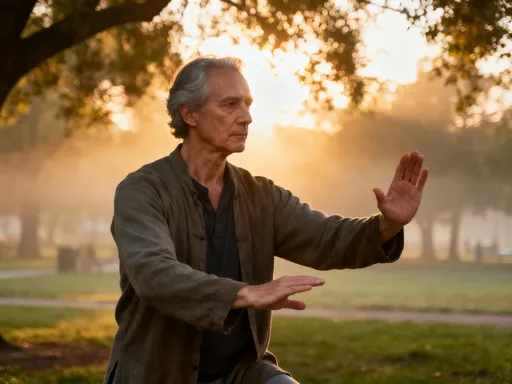
Flexibility and mind-body practices like yoga, tai chi, and stretching are especially helpful for calming the nervous system. These activities activate the parasympathetic nervous system — the “rest and digest” branch — which counteracts the stress response. Gentle stretching in the evening can reduce muscle tension, ease physical discomfort, and signal to the body that it’s time to wind down. Combining different types of movement throughout the week creates a well-rounded routine that supports both physical health and sleep quality.
Timing Matters More Than You Think
When you exercise can be just as important as what you do. The body responds differently to physical activity depending on the time of day. Morning and early afternoon workouts tend to have the most positive impact on sleep. Exercising in the morning helps reset the circadian clock by exposing the body to movement and light early in the day. This strengthens the natural wake-sleep cycle and promotes alertness during daylight hours.
Afternoon exercise, particularly between 4 p.m. and 6 p.m., can also be beneficial. During this window, body temperature is naturally higher, which may improve performance and reduce the risk of injury. More importantly, the post-exercise cooldown aligns well with the body’s natural temperature drop in the evening, supporting the transition into sleep.
Evening exercise requires more caution. While some people can tolerate vigorous workouts close to bedtime, others find that intense activity too stimulating. High-intensity interval training (HIIT), heavy weightlifting, or competitive sports in the late evening may elevate heart rate and adrenaline levels, making it harder to relax. For those sensitive to nighttime stimulation, it’s best to avoid strenuous exercise within three hours of bedtime.
That doesn’t mean evenings should be inactive. In fact, gentle movement can be a powerful sleep aid. A 15- to 20-minute walk after dinner, a short yoga sequence, or light stretching can ease digestion, reduce stress, and prepare the body for rest. These activities are not meant to raise the heart rate but to create a smooth transition from the busyness of the day to the calm of the night. Over time, this routine becomes a natural cue for the body to begin winding down.
Building Your Daily Movement Routine (Simple, Doable, No Gym Required)
One of the biggest barriers to regular exercise is the belief that it requires a lot of time, equipment, or expertise. The truth is, improving sleep through movement doesn’t require a gym membership, expensive gear, or hours of commitment. What matters most is consistency and intention. The goal is not to become an athlete but to create sustainable habits that fit into your daily life.
Start small. A 10-minute walk around the neighborhood, a few minutes of stretching in the morning, or a brief bodyweight routine during a lunch break can make a difference. The key is to begin with something manageable and gradually build from there. Habit stacking — linking new behaviors to existing routines — is a powerful strategy. For example, take a walk after dinner, do five minutes of stretching after brushing your teeth, or march in place while watching the evening news.
Here are a few practical ideas for sleep-supportive movement:
A 20-minute brisk walk: This can be done in one session or broken into two 10-minute segments. Walking outdoors adds the benefits of fresh air and natural light, both of which support circadian health.
A simple bodyweight routine: Include squats, wall push-ups, and standing leg lifts. Perform two sets of 10–12 repetitions. This takes less than 10 minutes and can be done in your living room.
A short yoga flow: Focus on gentle poses like child’s pose, cat-cow, seated forward bend, and legs-up-the-wall. These promote relaxation and reduce physical tension.
The goal is not perfection but progress. On busy days, do what you can. Even five minutes of intentional movement counts. Over time, these small efforts accumulate, leading to noticeable improvements in both energy and sleep.
Real Results, Not Promises: What Changed After 4 Weeks
After committing to a consistent movement routine for four weeks, I began to notice subtle but meaningful changes. The most immediate difference was in how quickly I fell asleep. Where I once spent 45 minutes or more lying awake, I now drifted off within 15 to 20 minutes. My sleep felt deeper, and I woke up fewer times during the night. When I did wake up, I was able to fall back asleep more easily.
My energy levels improved during the day. I no longer relied on afternoon caffeine to stay alert. My mood felt more stable, and I handled daily stress with greater resilience. These changes weren’t dramatic or instant — they unfolded gradually, like a rhythm settling into place. I didn’t feel “cured,” but I felt more in control of my well-being.
Friends and family noticed the difference too. I was more present, less irritable, and more engaged in conversations. One friend asked if I had changed my diet or started meditating. I told her the truth: I had simply started moving more during the day. She was skeptical at first, but when she tried it herself — starting with a 15-minute walk each evening — she reported better sleep within two weeks.
These outcomes are not unique. Many women in clinical studies and real-life settings have experienced similar improvements by incorporating regular, moderate physical activity into their routines. The results are not about achieving perfect sleep every night but about creating a foundation for better rest over time. It’s a shift from dependency on external aids to internal balance.
Putting It All Together — A Lifestyle Shift, Not a Quick Fix
Improving sleep through movement is not a one-time fix but a long-term lifestyle shift. It’s about aligning daily habits with the body’s natural design. Exercise is just one piece of the puzzle. It works best when combined with other healthy practices, such as maintaining a consistent sleep schedule, reducing screen time before bed, and creating a restful sleep environment.
Think of sleep as a reflection of your overall well-being. When you move your body with care and consistency, you send a message to your system: I am prioritizing my health. This mindset shift is powerful. It replaces frustration with agency, helplessness with hope. You begin to see yourself not as a victim of poor sleep but as an active participant in your own healing.
Of course, sleep issues can sometimes stem from underlying medical conditions, such as sleep apnea, restless legs syndrome, or hormonal imbalances. While lifestyle changes can make a significant difference, they are not a substitute for professional care. If sleep problems persist despite healthy habits, it’s important to consult a healthcare provider. They can help identify any medical causes and recommend appropriate treatment.
The journey to better sleep doesn’t have to be complicated. It starts with a single step — literally. By embracing gentle, intentional movement as a daily practice, you give your body the tools it needs to rest deeply and recover fully. You don’t need pills, gadgets, or extreme measures. You just need to move, consistently and kindly, in ways that honor your body and support your life.