Why Strong Bones Matter More Than You Think — A No-BS Guide to Lifelong Skeletal Strength
You don’t think about your bones—until something breaks. But bone health isn’t just about avoiding fractures; it’s about staying mobile, independent, and strong as you age. I didn’t get this until I started feeling joint stiffness in my 30s. Turns out, bone loss can sneak up way earlier than you think. The good news? Your skeleton responds powerfully to the right kind of stress—exercise. This isn’t just about calcium and vitamins. It’s about movement, consistency, and smart loading. Let’s break down how to build bones that last a lifetime.
The Silent Crisis: Why Bone Health Is a Hidden Priority
Bone health is one of the most overlooked aspects of long-term wellness, especially among women in their 30s to 50s who are juggling careers, families, and personal responsibilities. The truth is, bone loss doesn’t come with a warning sign. Unlike high blood pressure or weight gain, you can’t see or feel your bones weakening until a minor fall results in a fracture. By then, significant damage may already have occurred. This silent progression makes bone density a hidden priority—one that demands attention long before problems arise.
A common misconception is that only older women, particularly postmenopausal ones, need to worry about their bones. While it’s true that estrogen decline accelerates bone loss in later years, the foundation for lifelong skeletal strength is laid much earlier. Peak bone mass—the maximum density and strength your bones achieve—is typically reached by the early 30s. After that, the body begins to lose bone slightly faster than it can rebuild it. That means the habits you form in your 20s, 30s, and 40s directly influence how resilient your skeleton will be decades later.
Consider this scenario: a woman in her 50s slips on a wet kitchen floor. She doesn’t fall hard, but ends up with a fractured wrist. It’s not the fall that’s unusual—it’s the outcome. A younger skeleton might have absorbed the impact without injury. But years of inactivity, poor nutrition, or lack of bone-loading exercise can leave bones fragile, even in otherwise healthy individuals. These fractures aren’t just painful—they can lead to reduced mobility, loss of independence, and a domino effect on overall health.
Another underappreciated risk is vertebral compression fractures, which can occur from simple actions like bending over or sneezing if bone density is low. These often go undiagnosed because symptoms may be mild or mistaken for general back pain. Yet, over time, they can alter posture, reduce lung capacity, and affect quality of life. The key takeaway is that bone health isn’t just about preventing dramatic breaks—it’s about preserving your ability to move freely, carry groceries, play with grandchildren, and live without physical limitations.
How Bones Actually Work: A Simple Science Breakdown
To understand how to protect and strengthen your bones, it helps to see them not as static structures but as living, dynamic tissues. Your skeleton is constantly remodeling itself through a process called bone turnover. This involves two main types of cells: osteoblasts, which build new bone, and osteoclasts, which break down old or damaged bone. In healthy adults, these processes are balanced—bone is removed and replaced at roughly the same rate. But as we age, or when lifestyle factors are suboptimal, this balance can shift, leading to net bone loss.
Bone remodeling is influenced by several factors, including hormones, nutrition, and crucially, mechanical stress. When you put force on your bones through movement—like walking, lifting, or jumping—you create microstrains in the bone tissue. These tiny stresses act as signals to the body that the bone is needed and must be reinforced. In response, osteoblasts go to work, laying down new mineralized tissue to strengthen the area. This is the biological basis of the “use it or lose it” principle when it comes to skeletal health.
Think of your bones like muscles: they adapt to the demands you place on them. If you never challenge your leg muscles, they weaken. The same is true for bones. Without regular loading, the body assumes the bone isn’t needed at full strength and begins to resorb calcium from it, reducing density. This is why astronauts, who spend time in zero gravity where bones aren’t loaded, can lose up to 1-2% of bone mass per month. On Earth, the effect is slower but just as real if physical activity is minimal.
Another important concept is bone’s ability to respond to specific types of stress. Not all movement is equally effective. The most powerful stimulus for bone growth comes from impact and resistance—forces that compress or bend the bone in a controlled way. This is why certain exercises are far more beneficial than others when it comes to building density. Understanding this biology empowers you to choose activities that truly make a difference, rather than just checking the “I exercised today” box without meaningful impact.
The Exercise-Bone Connection: Why Movement Builds Density
While nutrition—especially calcium and vitamin D—plays a vital role in bone health, exercise is arguably the most powerful tool for maintaining and improving bone density. Unlike supplements, which support bone at a cellular level, physical activity directly stimulates the mechanical processes that lead to stronger bones. Numerous studies have shown that individuals who engage in regular weight-bearing and resistance exercises have higher bone mineral density than those who are sedentary. The effect is particularly pronounced in weight-bearing bones like the hips, spine, and wrists—areas most vulnerable to osteoporotic fractures.
Not all forms of exercise are created equal when it comes to bone health. The key factor is whether the activity loads the skeleton against gravity. Weight-bearing exercises—those where you move while staying upright and supporting your body weight—are highly effective. Examples include walking, jogging, dancing, stair climbing, and hiking. These activities force bones to bear load with each step, creating the microstress needed to trigger bone formation.
In contrast, non-weight-bearing exercises like swimming and cycling, while excellent for cardiovascular health and joint mobility, do not provide the same bone-loading benefits. In water, your body is buoyant, so bones experience minimal stress. On a bike, your weight is supported by the seat, reducing skeletal loading. This doesn’t mean these activities should be avoided—they offer many health benefits—but they should not be relied upon as primary tools for bone strength. For optimal results, they should be complemented with weight-bearing and resistance training.
Research also highlights the importance of intensity and progression. Bones respond best to novel or increasing demands. A daily stroll is better than nothing, but to truly stimulate bone growth, the activity must be challenging enough to push your body beyond its comfort zone. This is where the concept of “bone-loading zones” comes in—the idea that bones require a certain threshold of force to initiate remodeling. Light walking may maintain bone mass, but higher-impact activities like jumping or running, when appropriate, can actually increase it.
The Power Moves: Best Exercises for Bone Strength
To build and maintain strong bones, it’s essential to incorporate specific types of exercise that apply meaningful load to the skeleton. The most effective routines combine three categories: weight-bearing aerobic activity, resistance training, and impact-loading exercises. Each plays a unique role in stimulating different parts of the skeleton and supporting overall musculoskeletal health.
Weight-bearing aerobic exercises are foundational. Brisk walking, for example, is accessible and low-risk while still providing valuable loading to the hips and legs. To increase effectiveness, add inclines or carry light hand weights. Stair climbing is even more potent, as it increases the force exerted on the femur and pelvis with each step. Dancing is another excellent option—it’s weight-bearing, often includes quick directional changes, and can involve light impact, all of which benefit bone density. Aim for at least 30 minutes of moderate-intensity weight-bearing activity most days of the week.
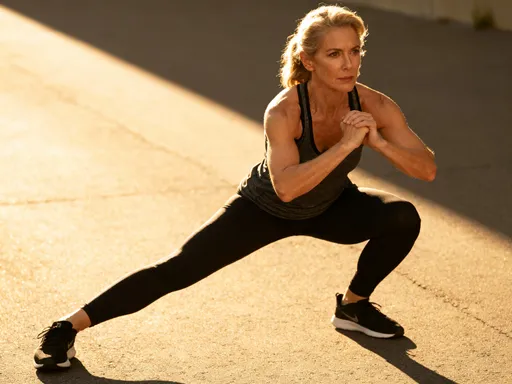
Resistance training is equally important. When you lift weights or use resistance bands, you’re not only building muscle but also placing tension on the tendons attached to bones. This pulling force stimulates bone-forming cells. Exercises like squats, lunges, deadlifts (with proper form), and push-ups target major bone sites, including the spine, hips, and wrists. Even bodyweight exercises, when performed with control and progression, can be highly effective. Start with two to three sets of 8–12 repetitions, gradually increasing resistance as strength improves.
Impact-loading activities—often overlooked—can be some of the most powerful for bone health. These include jumping, hopping, skipping, and step-ups onto a sturdy platform. While they may seem intense, modified versions can be safe and effective for most adults. For example, step-ups with a low bench or two-footed jumps in place (with soft landings) provide the kind of dynamic load that bones respond to strongly. These exercises are especially beneficial for the hip and spine, areas at high risk for fractures. However, individuals with diagnosed osteoporosis or joint issues should consult a healthcare provider before starting high-impact routines.
Consistency is key. For best results, aim to perform bone-strengthening exercises 3 to 5 times per week, allowing at least one rest day between intense sessions for recovery. The body adapts over time, so progression—adding more reps, increasing resistance, or introducing new movements—is essential to keep stimulating bone growth. The goal isn’t to become an athlete, but to send a clear message to your skeleton: “I need you to stay strong.”
How to Train Smart: Safety, Form, and Progression
While exercise is a powerful ally for bone health, it must be done safely—especially as we age or if bone density is already compromised. Poor form or inappropriate movements can increase the risk of injury, particularly for those with low bone mass. The goal is to load the bones effectively without putting vulnerable areas, like the spine, at risk.
One of the most important principles is proper technique. For example, during forward bends or lifting motions, maintaining a neutral spine—keeping the back straight rather than rounded—is crucial. Rounding the spine under load, such as when doing toe touches with straight legs or lifting heavy objects from the floor, can place excessive pressure on the vertebrae and increase the risk of compression fractures. Instead, focus on hinging at the hips with a flat back, engaging the core, and using leg strength to power movements.
For beginners or those returning to exercise after a long break, starting slowly is essential. Begin with bodyweight exercises and low-impact activities to build strength and confidence. Wall push-ups, chair squats, and standing heel raises are excellent starting points. As fitness improves, gradually introduce resistance bands, light dumbbells, or higher-intensity movements. The progression should feel challenging but manageable—not painful or unstable.
Modifications are available for every fitness level. If jumping is too intense, try marching in place with high knees. If full squats are difficult, use a chair for support or reduce the range of motion. The goal is consistent effort over time, not perfection in form on day one. For women over 50 or those with known bone concerns, working with a physical therapist or certified trainer who understands osteoporosis-safe exercise can be invaluable.
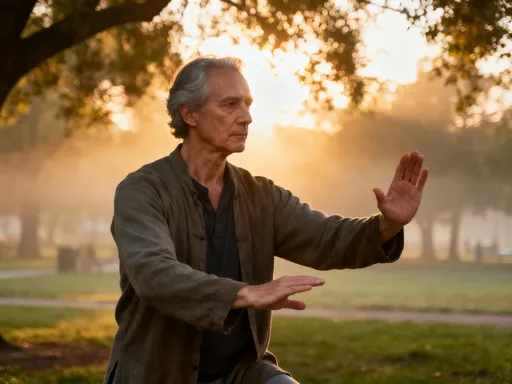
Another critical factor is listening to your body. Discomfort during exercise should be monitored closely. Sharp pain, joint instability, or persistent soreness are signs to stop and reassess. Balance and coordination also play a role in safe training—poor balance increases fall risk, which defeats the purpose of building strong bones. Incorporating balance exercises like standing on one foot or heel-to-toe walking can enhance stability and reduce injury risk.
Beyond the Gym: Daily Habits That Support Bone Health
Exercise is a cornerstone of bone health, but it doesn’t work in isolation. Nutrition, sleep, and lifestyle choices all play supporting roles in maintaining a strong skeleton. Calcium and vitamin D are the most well-known nutrients for bones, and getting enough of both is essential. Calcium provides the building blocks for bone tissue, while vitamin D helps the body absorb calcium efficiently. Good dietary sources include dairy products, fortified plant milks, leafy greens, fatty fish, and eggs. For those who struggle to meet needs through food alone, supplements may be appropriate under medical guidance.
Sleep is another often-overlooked factor. Bone remodeling primarily occurs during deep sleep, when growth hormone levels peak and tissue repair is most active. Chronic sleep deprivation can disrupt this process, impairing the body’s ability to rebuild bone effectively. Aim for 7 to 9 hours of quality sleep per night, maintaining a consistent bedtime routine to support restorative rest.
Lifestyle habits like smoking and excessive alcohol consumption have been shown to negatively impact bone density. Smoking reduces blood flow to bones and interferes with estrogen function, accelerating bone loss. Heavy drinking—more than two drinks per day—can impair calcium absorption and increase fall risk due to balance issues. Limiting or avoiding these habits is one of the most impactful things you can do for long-term skeletal health.
Finally, integrating movement into daily life amplifies the benefits of formal exercise. Simple changes—taking the stairs instead of the elevator, standing while talking on the phone, carrying grocery bags instead of using a cart—add up over time. These small loads, repeated throughout the day, contribute to overall bone stimulation. The more you move in gravity-resisted ways, the stronger your skeleton becomes. It’s not about adding more to your schedule—it’s about making everyday actions count.
Putting It All Together: Building a Sustainable Bone-Healthy Lifestyle
Building lifelong bone strength isn’t about drastic changes or extreme workouts. It’s about consistency, smart choices, and integrating bone-supportive habits into your daily rhythm. A sustainable routine combines different types of movement, proper nutrition, and mindful living—all working together to keep your skeleton resilient.
Here’s an example of a balanced weekly plan: On Monday, Wednesday, and Friday, do a 30-minute session that includes brisk walking (10 minutes), bodyweight squats and lunges (15 minutes), and step-ups or heel raises (5 minutes). On Tuesday and Thursday, focus on resistance training with bands or light weights, targeting major muscle groups. Saturday can be a longer walk or a dance session, while Sunday is a rest day with gentle stretching or balance exercises. This mix ensures regular loading while allowing time for recovery.
The focus should be on progress, not perfection. You don’t need to do everything perfectly to see benefits. Even small efforts—like adding two sets of heel raises to your morning routine or walking an extra block—compound over months and years. Track your progress not by numbers on a scale, but by how you feel: improved posture, reduced stiffness, more energy, and greater confidence in your body’s strength.
Strong bones are not just about avoiding fractures—they’re about freedom. Freedom to travel, play, garden, lift a suitcase, or carry a grandchild without fear. They’re about maintaining independence as you age, so you can continue doing the things you love without physical limits. This isn’t a short-term fix or a trend—it’s a long-term investment in your quality of life.
Start where you are. Use what you have. Move in ways that matter. Every step, every squat, every lift sends a signal to your bones: “I’m counting on you.” And over time, they will answer that call—with strength, resilience, and the quiet power of a body built to last.