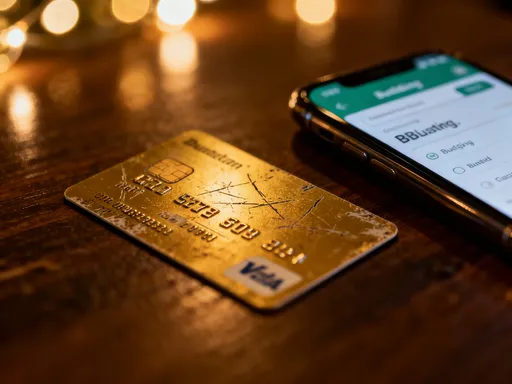
How I Tamed My Credit Card Chaos Without Losing My Mind
Credit cards used to stress me out—endless charges, confusing balances, and that sinking feeling every time the bill arrived. I wasn’t irresponsible, but I wasn’t in control either. After one too many “Where did all that money go?” moments, I started testing small, realistic habits to rein things in. What changed wasn’t one big fix, but a handful of smart tweaks. I stopped seeing my credit card as a source of guilt and started treating it like a tool—something that, when used wisely, could support my life instead of complicating it. If you’re tired of playing catch-up, this is for you. These aren’t extreme measures or complicated budgeting systems. They’re simple, sustainable changes that anyone can make—no financial degree required. The goal isn’t to eliminate spending, but to bring clarity, confidence, and calm back into your financial life.
The Wake-Up Call: When My Credit Card Bill Became a Nightmare
It wasn’t a single purchase that tipped me over—it was the slow, silent buildup of small charges that added up to a number I couldn’t ignore. One morning, I opened my monthly statement and felt my stomach drop. The balance was nearly double what I thought it would be. I had no memory of spending that much, yet there it was: recurring subscriptions I forgot to cancel, restaurant meals I charged because I was too tired to cook, and impulse buys disguised as “treats.” I wasn’t living extravagantly, but I wasn’t living within my means either. The realization wasn’t just about money—it was about control. I had let convenience override intention, and the result was a growing sense of anxiety every time I checked my account.
What made it worse was the emotional toll. I wasn’t irresponsible by nature. I paid my bills on time and avoided late fees, but I was always guessing. Was I close to my limit? Could I afford that upcoming car repair? Would an emergency push me into debt I couldn’t recover from? The uncertainty was exhausting. I began to dread the end of each month, not because I was broke, but because I didn’t trust my own spending patterns. That’s when I realized the problem wasn’t the credit card itself—it was the lack of a clear system. I needed structure, not shame. I needed to stop reacting to my balance and start managing it proactively.
This moment of clarity wasn’t dramatic, but it was powerful. I stopped blaming myself and started asking better questions. Where exactly was my money going? Which charges were necessary, and which were just habitual? Could I track my spending without spending hours on it? I didn’t need a financial overhaul—I needed a reset. And the first step was simply paying attention. I printed out my last three statements and read them line by line, categorizing every charge. What I discovered wasn’t shocking, but it was revealing: over $200 a month was going to things I didn’t truly value—streaming services I rarely used, convenience store snacks, and online shopping sprees during stressful days. That was more than a weekend getaway or a month of groceries. Seeing it on paper made it real. It wasn’t about being bad with money; it was about being unaware. And awareness, I learned, is the foundation of control.
Why Cost Control Isn’t Just About Cutting Back
When most people think of cost control, they imagine sacrifice—giving up coffee, canceling all subscriptions, or never dining out again. But that kind of deprivation rarely lasts. The truth is, cost control isn’t about eliminating spending; it’s about aligning it with your values. It’s the difference between mindless swiping and intentional choices. I didn’t want to live a smaller life—I wanted to live a clearer one. So instead of asking, “How can I spend less?” I started asking, “Am I getting value from this?” That small shift in mindset changed everything. Suddenly, it wasn’t about restriction; it was about clarity. I began to see my spending as a reflection of my priorities, and that awareness helped me make better decisions without feeling deprived.
Credit cards, by design, make it easy to blur the line between needs and wants. When you’re not handing over cash, the psychological impact of spending is reduced. A $50 online order doesn’t feel as real as pulling five $10 bills from your wallet. This is known as the “pain of paying,” and research shows that people tend to spend more when using cards because the transaction feels less tangible. That’s not a flaw—it’s a feature. But it means we have to be more intentional. I started paying attention to my triggers: fatigue, stress, boredom, even happiness. I realized I was more likely to make impulse purchases when I was emotionally charged, regardless of the emotion. Recognizing that pattern didn’t eliminate it, but it gave me a chance to pause. Now, when I feel the urge to buy something nonessential, I ask myself: Is this solving a real problem? Will I still value this next week? Is this purchase in line with my goals?
Another major factor was subscription creep—the gradual accumulation of recurring charges that add up over time. I had signed up for services during free trials and forgotten to cancel them. Some were useful, but others were redundant or underused. I didn’t need three different streaming platforms, two meal kit deliveries, and a meditation app I opened once a month. By auditing my subscriptions quarterly, I reclaimed over $150 a month without changing my lifestyle. That’s not a sacrifice—that’s a correction. Cost control, at its core, is about efficiency. It’s not about living with less; it’s about getting more from what you already have. When you redirect money from unnoticed expenses to things that truly matter—like saving for a family vacation or building an emergency fund—the benefits go far beyond the balance sheet. You gain peace of mind, and that’s priceless.
The 3 Simple Rules That Changed My Spending Habits
I didn’t need a complex budgeting app or a financial advisor to turn things around. What worked were three straightforward rules I could follow without overthinking. They weren’t revolutionary, but they were effective because they were consistent. The first rule was to separate wants from true needs. This sounds basic, but it’s easy to blur the lines when you’re tired or stressed. I defined needs as things essential to health, safety, and basic functioning—rent, utilities, groceries, insurance, and necessary transportation. Everything else fell into the want category. That didn’t mean I stopped buying wants—I just made sure I was doing it consciously. Before any nonessential purchase, I paused and asked, “Is this a need or a want?” That simple question created space between impulse and action, and in that space, better decisions were made.
The second rule was setting personal spending alerts. I didn’t wait for my bank to notify me when I was close to my limit—I created my own early warning system. I picked a threshold—80% of my credit limit—and set a manual reminder to review my balance when I approached it. This wasn’t about fear; it was about awareness. It helped me avoid maxing out my card, which can hurt my credit score, and it gave me time to adjust my spending before the bill arrived. I also started tracking my charges in a simple spreadsheet, logging each purchase by category. Seeing the numbers grow in real time made me more mindful. For example, if I noticed my dining-out category was already at $300 for the month, I was more likely to cook at home for the rest of the week. The goal wasn’t perfection—it was progress.
The third rule was using one card for everything. I used to juggle multiple cards, thinking it would help me manage different types of spending. In reality, it made tracking harder and increased the risk of missed payments. By consolidating to one card, I simplified my financial life. I chose a card with no annual fee and a rewards program that matched my spending habits—cash back on groceries and gas. This made it easier to monitor my balance, earn rewards, and maintain a good payment history. Plus, using one card helped me build a stronger credit profile over time. I still paid in full every month, so I never paid interest, but I benefited from the convenience and protection that credit cards offer. These three rules—separating needs from wants, setting alerts, and using one card—weren’t restrictive. They were liberating. They gave me structure without suffocation, and that balance made all the difference.
Automating Control: How Tech Became My Financial Ally
I used to think managing money required constant attention—checking balances, logging transactions, and calculating totals. But I was tired of the mental load. That’s when I realized technology could do the heavy lifting. I didn’t need to become a financial expert; I just needed to use the tools already available. The first thing I automated was my payment. I set up auto-pay for the full balance every month. This ensured I never missed a due date and avoided interest charges. It wasn’t a blind move—I still reviewed my statement before the payment processed, but automation removed the risk of forgetting. That small change eliminated one of my biggest stressors: the fear of a late payment affecting my credit score.
Next, I started using a spending categorization app—one that linked securely to my bank account and sorted transactions automatically. I chose a widely available, user-friendly platform with strong privacy protections. Every purchase was tagged—groceries, dining, shopping, utilities—so I could see exactly where my money was going. At first, I was surprised by how much I spent on convenience items like coffee and takeout. But instead of feeling guilty, I used the data to adjust. I didn’t ban these purchases; I just became more intentional about them. The app also sent weekly summaries, which helped me stay aware without obsessing. I didn’t need to check my account daily—just reviewing the weekly report kept me on track.
I also enabled balance notifications. Whenever my credit card balance exceeded a certain amount, I got a gentle alert. This wasn’t a punishment—it was a nudge. It reminded me to slow down and reassess before adding more charges. Over time, these notifications helped me develop better habits. I started thinking twice before making a purchase, knowing I’d get a reminder if I pushed the limit. Technology didn’t make me disciplined; it supported my discipline. It reduced the cognitive effort required to manage money, freeing up mental space for more important things—like planning for the future or enjoying the present. The key was choosing tools that worked with my life, not against it. I didn’t need a complicated system—just simple, reliable support that helped me stay consistent.
The Balance Between Flexibility and Discipline
One of my biggest fears when I started this journey was that I’d lose the convenience credit cards offer. I didn’t want to go back to carrying cash or missing out on rewards. The goal wasn’t to eliminate credit cards—it was to use them wisely. I realized that discipline and flexibility aren’t opposites; they can coexist. A rigid system that doesn’t allow for real life is bound to fail. Life is unpredictable—car repairs, medical bills, family emergencies. A good financial strategy doesn’t ignore these realities; it plans for them. So I built in flexibility. I kept a small cushion in my budget for unexpected expenses, and I made sure my emergency fund was accessible. That way, when surprises came, I wasn’t forced into debt.
I also learned to use rewards without chasing them. It’s easy to justify a purchase because it earns points, but that only works if you were going to make the purchase anyway. I stopped buying things just to “maximize rewards.” Instead, I focused on using my card for regular expenses—like groceries and gas—and paying them off immediately. That way, I earned cash back without spending extra. I treated rewards as a bonus, not a motivation. This mindset shift helped me avoid the trap of spending more to earn more, which defeats the purpose. Discipline isn’t about saying no to everything—it’s about saying yes to the right things. I still enjoy dining out, shopping, and traveling. The difference is that now, I do it with intention and within my means.
Finding balance also meant recognizing the difference between healthy flexibility and dangerous loopholes. For example, I allowed myself occasional “guilt-free” purchases—small treats that brought me joy. But I set boundaries. I didn’t use my card for cash advances, and I avoided balance transfers that promised low rates but came with hidden fees. I also stayed away from “buy now, pay later” schemes that encouraged overspending. These options might seem flexible, but they often lead to long-term problems. True financial freedom comes from clarity, not convenience. By staying disciplined with my core habits and allowing room for life’s unpredictability, I created a system that was both sustainable and realistic. It wasn’t about perfection—it was about progress, one thoughtful decision at a time.
Learning from Slip-Ups: When I Broke My Own Rules
No system is foolproof, and I wasn’t immune to setbacks. A few months into my new routine, an unexpected car repair cost nearly $600. I had savings, but it still pushed my credit card balance higher than I wanted. I felt frustrated—like I had failed. I had followed my rules, but life had other plans. In that moment, I could have fallen back into old patterns: ignoring the balance, making minimum payments, or convincing myself it was “just this once.” But instead, I paused. I acknowledged the emotion—the stress, the disappointment—without letting it drive my next move. I reminded myself that a single event didn’t erase my progress. What mattered was how I responded.
I reviewed what happened and realized a gap in my planning. I had an emergency fund, but it wasn’t large enough to cover major repairs. I had been focused on daily spending but hadn’t fully prepared for larger, less frequent expenses. So I adjusted. I increased my monthly savings goal to build a stronger cushion. I also started setting aside a small amount each month for car maintenance, treating it like a regular bill. This wasn’t a punishment—it was a lesson. Mistakes aren’t failures; they’re feedback. They reveal where your system needs improvement. By responding with reflection instead of guilt, I strengthened my approach. I also gave myself grace. I didn’t beat myself up for needing a repair. I celebrated that I had caught the issue early and could afford the fix. That shift in perspective—seeing setbacks as part of the process—made all the difference.
This experience taught me that financial health isn’t about avoiding problems; it’s about building resilience. Everyone will face unexpected expenses. The difference is whether you have a system that helps you navigate them. I didn’t abandon my rules—I refined them. I added a new category to my budget for irregular expenses and scheduled a quarterly review to assess my emergency fund. These small changes made my system more robust. I also started talking about money more openly—with trusted friends, with my family. I learned I wasn’t alone. Many people struggle with credit card stress, even those who seem financially secure. Normalizing these conversations reduced my shame and increased my motivation. Progress isn’t linear, but it’s possible. Every slip-up, when met with honesty and adjustment, becomes a step forward.
Building Long-Term Confidence, Not Just Lower Bills
The most significant change I’ve experienced isn’t reflected in my bank account—it’s in my mindset. I no longer feel anxious about opening my credit card statement. I don’t dread the end of the month. Instead, I feel a quiet confidence, knowing I’m in control. This didn’t happen overnight, and it didn’t require drastic measures. It came from consistent, small actions that added up over time. I’ve learned that financial well-being isn’t about perfection; it’s about progress. It’s about making better choices more often than not. And each time I stick to my system, my confidence grows. That confidence extends beyond money—it affects how I approach decisions, challenges, and goals in other areas of life.
I’ve also realized that cost control isn’t a temporary fix—it’s a lifelong practice. Just like maintaining physical health requires ongoing effort, financial health requires regular attention. I still review my spending, adjust my budget, and refine my habits. But it’s no longer a burden. It’s become a routine, like brushing my teeth or meal planning. I’ve built systems that work for me, not against me. And because they’re sustainable, I can maintain them without burnout. I’ve stopped measuring success by how little I spend and started measuring it by how aligned my spending is with my values. Am I funding experiences that bring joy? Am I preparing for the future without sacrificing the present? Am I teaching my family healthy financial habits through my example?
Perhaps the greatest reward has been the freedom to focus on what truly matters. I’m not constantly worrying about money, so I have more energy for my family, my hobbies, and my personal growth. I’ve started saving for a dream vacation, not because I’ve cut out everything fun, but because I’ve redirected money from unnoticed expenses. I’ve built a cushion that allows me to handle surprises without panic. And I’ve developed a sense of agency—the belief that I can shape my financial future, one thoughtful decision at a time. This journey wasn’t about deprivation; it was about empowerment. It was about turning a source of stress into a tool for stability. If you’re feeling overwhelmed by your credit card bills, know this: you don’t have to be perfect. You just have to start. Small, consistent changes lead to real results. And the peace of mind you gain is worth every effort.