What I Learned the Hard Way About Tea Investments and Trend Traps
I jumped into tea investing thinking rare leaves meant big returns—turns out, spotting trends isn’t as simple as it looks. What seemed like a rising market often hid bubbles ready to burst. I followed hype, misread signals, and lost more than I expected. Now, I see how emotional bias and false patterns cloud judgment. This is my real talk on avoiding costly mistakes when chasing the next big thing in tea. What began as a passion for flavor evolved into a costly education in financial discipline. The world of tea investing is layered with beauty, tradition, and quiet danger. Behind the elegant packaging and ancient rituals lies a market vulnerable to speculation, misinformation, and emotional decision-making. For many, especially those seeking alternative assets outside traditional stocks and bonds, tea appears to offer a unique blend of cultural richness and long-term appreciation. But without careful analysis, what feels like wisdom can quickly become folly.
The Allure of Tea as an Alternative Investment
Tea has long held a revered place in cultures across Asia, particularly in China, Japan, and India, where centuries-old traditions elevate certain varieties to near-artistic status. In recent decades, this cultural significance has translated into financial interest, especially in aged pu-erh, high-elevation oolongs, and vintage tea cakes from Yunnan. These products are not merely consumed—they are collected, stored, and traded much like fine wine or rare art. Investors are drawn to the narrative that time enhances value: a well-preserved tea cake from the 1980s or 1990s may fetch hundreds or even thousands of dollars today. This idea of organic appreciation, where nature and patience combine to increase worth, is deeply appealing, particularly to those looking for tangible assets outside volatile financial markets.
What sets tea apart from other commodities is its dual identity as both a consumable and a collectible. Unlike gold or real estate, tea carries sensory and cultural weight. A rare batch of Dong Ding oolong or a limited-release Da Hong Pao isn’t just an asset—it’s a story, a heritage, a piece of living history. This emotional resonance amplifies demand and can justify premium pricing. Moreover, the perception of scarcity plays a powerful role. Many premium teas are produced in small quantities, often in remote mountain regions with limited arable land. When supply is constrained and demand grows, prices naturally rise. Add to this the growing middle class in China and Southeast Asia, where tea collecting has become a status symbol, and the stage is set for investment enthusiasm.
Yet beneath this compelling narrative lies a subtle but critical risk: the shift from intrinsic value to speculative value. In the early stages of a trend, genuine appreciation is driven by quality, provenance, and craftsmanship. But as media attention grows and prices climb, the focus often shifts from what the tea is to what it might be worth tomorrow. This is where the danger begins. The same factors that make tea attractive—cultural prestige, limited supply, and long aging potential—can also fuel bubbles. When investors buy not for the tea itself but for the expectation of future resale, the market becomes detached from reality. Historical examples, such as the pu-erh bubble in the mid-2000s, show how quickly such enthusiasm can collapse. Prices soared as speculators flooded the market, only to plummet when demand failed to keep pace. The lesson is clear: cultural allure can open doors to opportunity, but it must be balanced with financial prudence.
How Trend Hype Distorts Real Value
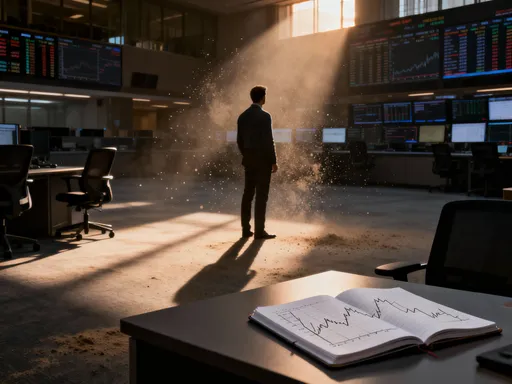
The rise of social media and digital marketplaces has transformed how tea trends emerge and spread. What once took years to gain traction can now explode in weeks. A single viral post, a celebrity endorsement, or a record-breaking auction result can send prices soaring, creating the illusion of a booming market. Platforms like WeChat, Xiaohongshu, and even international forums amplify buzz, turning niche products into overnight sensations. This rapid dissemination of information, while beneficial in some ways, often prioritizes excitement over accuracy. The result is a feedback loop where rising prices attract more buyers, which in turn drives prices higher—not because of improved quality or increased utility, but because of momentum.
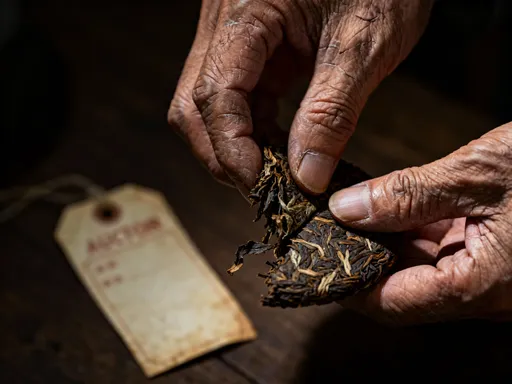
One of the most common distortions is the misinterpretation of auction results as market benchmarks. When a rare tea cake sells for $10,000 at a high-profile auction, headlines celebrate the achievement, and investors assume similar returns are achievable across the board. But auctions are not representative of everyday market conditions. They often involve unique, one-of-a-kind items, sold in competitive bidding environments where prestige and emotion influence outcomes. The price paid may reflect more about the buyer’s desire for status than the tea’s actual value. Treating such outliers as norms leads to unrealistic expectations and overpayment in secondary markets.
Another driver of inflated valuations is the influence of key opinion leaders and influencers in the tea community. When respected figures praise a particular harvest or region, their words carry weight. But even experts can be swayed by trends, personal preferences, or commercial interests. Blindly following their recommendations without independent verification can lead to poor investment choices. Moreover, some producers capitalize on hype by releasing limited editions or “special batches” designed more for marketing than lasting quality. These products may command high initial prices, but their value often fades once the novelty wears off.
The consequence of this trend-driven pricing is a market increasingly disconnected from fundamentals. True value in tea investing depends on factors like leaf quality, processing technique, storage conditions, and long-term demand from genuine connoisseurs. Yet in a hype cycle, these elements are overshadowed by speculation. Buyers focus on what others are paying rather than what the tea is worth. This creates a classic bubble dynamic: prices rise on momentum,吸引更多 capital, and eventually collapse when reality sets in. The lesson is not that trends are irrelevant, but that they must be critically evaluated. Sustainable value comes from substance, not sentiment.
Misreading Signals: When Popularity Isn’t Profitability
One of the most persistent mistakes in tea investing is equating popularity with profitability. Just because a tea is in demand does not mean it will generate returns. Demand can be temporary, driven by fashion, marketing, or short-term events. For example, a particular oolong might gain attention after being featured in a popular documentary or served at a high-profile event. Sales spike, prices rise, and new investors rush in. But once the spotlight fades, so does the premium. Without enduring quality or a loyal consumer base, the tea’s value reverts to its baseline. This phenomenon is not unique to tea; it mirrors patterns seen in fashion, technology, and other consumer markets where novelty drives short-term gains but not long-term wealth.
Another common misreading involves the assumption that aging automatically increases value. While it is true that some teas, particularly raw pu-erh, improve with careful aging under optimal conditions, this is not a universal rule. Many teas are meant to be consumed fresh. Green teas, for instance, lose their vibrancy and aroma over time. Even among aged teas, not all batches mature well. Factors like initial leaf quality, processing precision, and storage environment determine whether aging enhances or degrades the product. Yet investors often treat age as a standalone premium, paying more for older tea without verifying its condition or flavor profile. This blind faith in time as a value multiplier can lead to significant losses when the tea fails to meet expectations upon opening.
Similarly, auction records are frequently mistaken for indicators of liquid market value. A tea that sells for a high price in a one-time auction may have little resale potential in the open market. Liquidity is a critical but often overlooked factor. The difference between having an asset worth $5,000 on paper and being able to sell it for $5,000 in a reasonable timeframe is vast. Many tea investors discover this gap too late, when they need cash and find no willing buyers at their desired price. The market for rare tea is relatively thin, with a limited pool of serious collectors. Unlike stocks or ETFs, which can be sold instantly on exchanges, tea requires finding the right buyer, often through personal networks or specialized platforms. This lack of liquidity means that even “valuable” teas can sit unsold for months or years.
To avoid these pitfalls, investors must distinguish between genuine appreciation drivers and temporary spikes. True value growth comes from consistent demand, proven track records, and verifiable quality improvements over time. It is reflected in stable, gradual price increases across multiple reputable sellers, not sudden jumps based on isolated events. Analyzing long-term price trends, consulting independent appraisers, and understanding the tea’s production history are essential steps. Popularity may open the door, but only fundamentals can sustain value.
The Hidden Risks in Storage, Authenticity, and Liquidity
Unlike financial assets that exist in digital ledgers, tea is a physical product subject to environmental conditions, degradation, and fraud. These factors introduce risks that are often underestimated by new investors. Perhaps the most critical is storage. Aged pu-erh, for example, requires stable temperature, moderate humidity, and protection from strong odors. Too much moisture encourages mold; too little slows aging. Urban environments, with fluctuating climates and limited space, make proper storage challenging. Many investors store tea in closets, basements, or cabinets without climate control, unknowingly compromising its quality. Over time, even minor exposure to heat or humidity can alter flavor, reduce aroma, and diminish value. What was once a prized tea cake may, after years of poor storage, become little more than a curiosity.
Authenticity is another major concern. The tea market, especially for rare and vintage products, is vulnerable to counterfeiting. Repackaged teas, fake vintages, and misleading labels are not uncommon. Without expert knowledge or third-party verification, it is difficult to confirm whether a tea is genuine. Some counterfeiters go to great lengths, replicating packaging, seals, and even batch numbers. Even experienced collectors can be deceived. This lack of standardization and oversight increases risk, particularly in peer-to-peer or online transactions where due diligence is limited. Buyers must rely on trust, reputation, and documentation—resources that are not always available or reliable.
Liquidity, as previously noted, is a significant constraint. The market for investment-grade tea is niche. While global interest is growing, the number of active, serious buyers remains small. Selling a rare tea often requires patience, networking, and access to specialized platforms. Auction houses and collector forums can help, but they may charge high fees or take months to finalize a sale. In urgent situations, investors may be forced to sell at a steep discount, realizing far less than expected. This illiquidity makes tea a poor choice for those who may need quick access to funds. It also means that portfolio allocation should be carefully considered—tea should never represent a large portion of one’s investable assets.
Together, these risks highlight the importance of treating tea not as a quick-return vehicle but as a long-term, high-effort holding. Success requires more than capital; it demands knowledge, infrastructure, and ongoing attention. Investors must be prepared to monitor storage conditions, verify authenticity, and wait years for the right buyer. Without this commitment, even the most promising tea can become a financial burden rather than an asset.
Emotional Biases That Cloud Investment Judgment
One of the most insidious challenges in tea investing is the influence of emotion. Unlike stocks or bonds, tea carries personal and cultural meaning. For many, it is not just an asset but a connection to heritage, family, or personal identity. This emotional attachment can distort judgment, leading investors to overvalue what they own or resist selling even when market signals suggest otherwise. Nostalgia, in particular, plays a powerful role. A tea purchased during a meaningful trip, gifted by a loved one, or tied to a special memory may be viewed as priceless, regardless of its actual market value. This sentimental premium can prevent rational decision-making, causing investors to hold onto underperforming assets long after they should have been sold.
Confirmation bias is another common trap. Once an investor commits to a tea—especially a high-cost one—they may selectively seek information that supports their decision while ignoring warning signs. Positive reviews, favorable comparisons, and anecdotal success stories are embraced; critical analyses, declining prices, or expert skepticism are dismissed. This mental filtering reinforces existing beliefs and delays necessary course corrections. Overconfidence compounds the issue. Some investors, especially those with deep knowledge of tea culture, assume their expertise extends to market dynamics. They may believe they can “time” the market, predict trends, or identify undervalued gems before others. But market behavior is influenced by countless factors beyond individual control, including macroeconomic trends, shifting consumer preferences, and global supply chains. No amount of tea knowledge guarantees investment success.
Loss aversion also plays a role. The fear of realizing a loss can prevent investors from cutting their losses early. Instead of selling a depreciating tea at a small loss, they may hold on, hoping for a rebound that never comes. This “hope strategy” often leads to larger losses over time. Conversely, the fear of missing out (FOMO) drives impulsive buying during market peaks. When prices rise rapidly and others appear to be profiting, the pressure to join in can override caution. These emotional responses are natural, but they are detrimental to sound financial decision-making. The key is to develop discipline and objectivity. Treating tea investments as business decisions, not personal expressions, helps maintain clarity. Regularly reviewing holdings with a critical eye, setting clear exit rules, and seeking independent advice can mitigate the impact of emotional bias.
Building a Smarter Approach: Research, Patience, and Diversification
Success in tea investing does not come from chasing trends but from disciplined, methodical analysis. The first step is thorough research. Before purchasing any tea for investment, investors should verify its origin, harvest year, producer reputation, and processing method. Reputable vendors provide detailed documentation, including batch numbers, storage history, and tasting notes. Independent appraisals from trusted experts can add an extra layer of confidence. It is also wise to taste the tea when possible—flavor quality is a strong indicator of long-term potential. Building relationships with experienced collectors, attending tastings, and joining reputable tea associations can provide valuable insights and early warnings about market shifts.
Patience is equally important. True appreciation in tea often takes decades, not years. The most valuable aged pu-erh on the market today was purchased and stored in the 1970s and 1980s, long before prices began their steep climb. Investors who bought with a long-term horizon, not short-term speculation, reaped the greatest rewards. This requires a mindset shift: viewing tea not as a get-rich-quick scheme but as a slow-burning asset that demands time and care. Setting realistic expectations and avoiding the temptation to sell during minor price spikes helps preserve long-term gains.
Diversification is the final pillar of a sound strategy. No single tea, no matter how rare or prestigious, should dominate an investment portfolio. Market conditions change, tastes evolve, and even the most beloved varieties can fall out of favor. Spreading investments across different types of tea, regions, and vintages reduces risk. Additionally, tea should be treated as a non-core asset, representing only a small portion of one’s overall wealth. It should complement, not replace, traditional investments like stocks, bonds, and real estate. This balanced approach ensures that a downturn in the tea market does not jeopardize financial stability.
Why Risk Awareness Matters More Than Chasing Trends
In the end, the most valuable lesson from tea investing is not how to spot the next big trend, but how to manage risk with wisdom and humility. No asset is immune to market cycles, and tea is no exception. Even the most carefully selected, perfectly stored tea can lose value if demand shifts or economic conditions change. The goal is not to predict the future but to prepare for uncertainty. This begins with understanding one’s risk tolerance. How much can you afford to lose without impacting your financial security? What role does tea play in your overall investment strategy? Answering these questions honestly helps set appropriate boundaries.
Equally important is having a clear exit strategy. When will you sell? Under what conditions? Is there a target price, a time horizon, or a market signal that triggers a sale? Without such rules, decisions are made reactively, often in moments of emotion. Writing down these criteria in advance creates accountability and reduces impulsive behavior. It also helps maintain perspective. Tea investing should enhance, not dominate, one’s financial life. It can bring joy, cultural connection, and modest returns when approached with care. But when driven by greed, ego, or blind optimism, it can lead to disappointment.
The true measure of success is not the highest price achieved, but the ability to preserve capital, avoid costly mistakes, and maintain peace of mind. The market will always have its winners and losers. What separates them is not luck, but discipline. By focusing on fundamentals, respecting risks, and investing with patience and clarity, it is possible to navigate the world of tea with confidence. The leaves may age, but so do the lessons—and both, when handled with care, can become more valuable over time.